
Tattoos are one of humanity’s oldest, most cross-cultural art forms. The earliest evidence of tattooing comes from a mummy found in Egypt who lived around 3250 BC. Other examples date back even further; some experts believe that tattoos may have been practiced as far back as 6000 years ago.
In ancient times, people got tattoos for all sorts of reasons — religious faith, pain relief, protection, or just to indicate class. Over time, tattoos became an artistic form, and styles began to emerge based on personal narratives, cultural influences, and artistic preferences.
Nowadays, there are many different tattoo styles to choose from, but not everyone knows what they’re looking at when they see them. In this article, I’ll introduce you to the most popular styles.
 Clean design
Traditional, Realism, and Watercolor
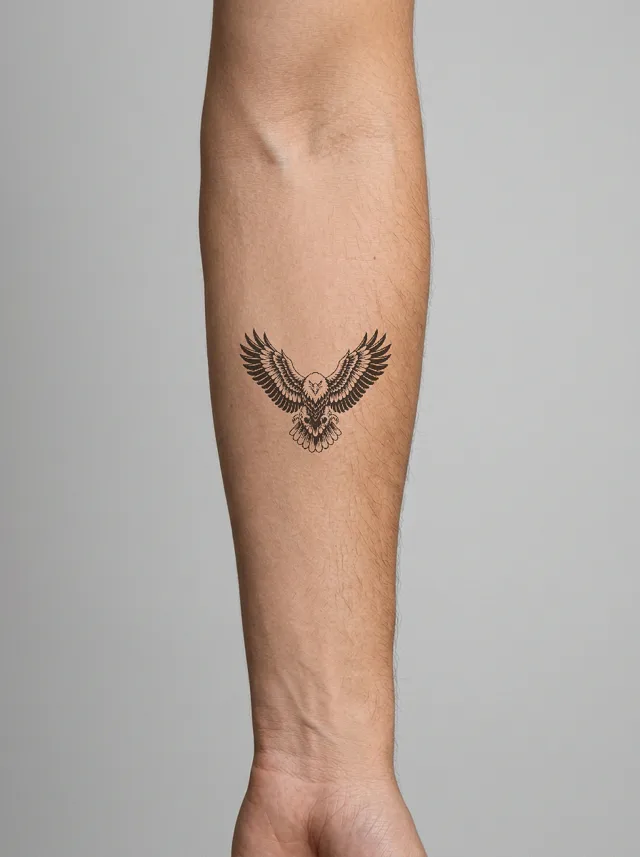
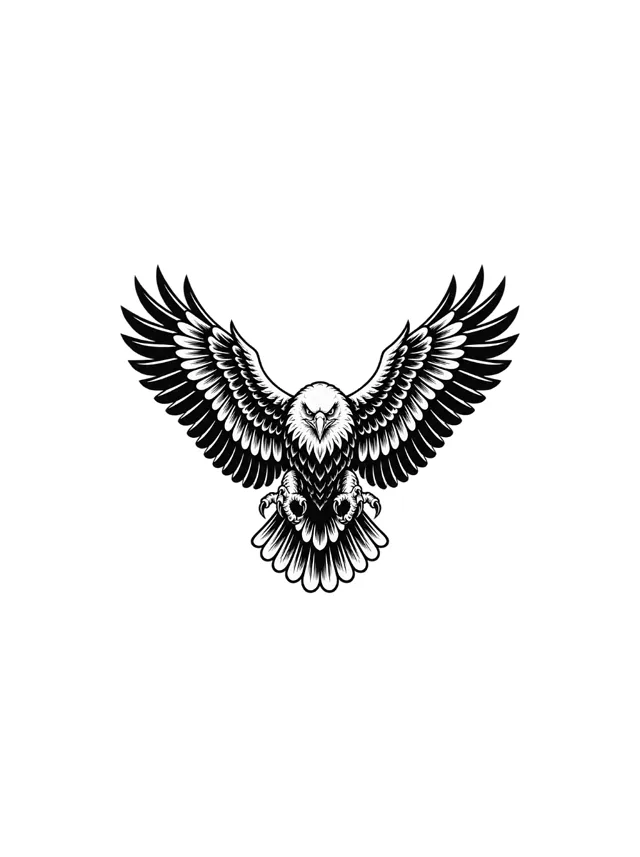
Traditional (Old School) tattoos are among the most enduring and recognizable styles. These tattoos typically feature bold black outlines with limited color palettes. Their signature motifs include swallows, anchors, dragons, ships, snakes, skulls, eagles, and panthers. Traditional tattoos are rooted in the naval and maritime history of the early 20th century, which explains why their bold lines and limited palette make them so durable over time.
Sailor Jerry, Lyle Tuttle, and Don Ed Hardy were among the first artists to bring traditional tattoos into the mainstream. Today, traditional tattoos remain popular among tattoo enthusiasts, especially those who like their work to last a long time.
Realism tattoos are becoming more popular by the day. These tattoos are inspired by classic realism in fine art, which has existed since the Renaissance. Realism entered the world of tattooing around the latter half of the 20th century. Nowadays, realism tattoos can cover a wide range of subjects, including color and black-and-grey portraits of celebrities, realistic nature, and surreal imagery.
Nikko Hurtado, Mike DeVries, Moni Marino, Katrina “Kat Tat” Collins, and Cleo Pétra are among the most popular realists in the tattoo world today.
Watercolor tattoos are extremely popular among newer generations of tattoo enthusiasts. This style is distinguished by its vivid colors and smooth transitions of tone, which simulate brushstrokes and splashes of color. Watercolor tattoos often have a fluid, ethereal appearance on skin, and they’re extremely high demand among the most recent generation of tattoo enthusiasts.

 Clean design
Blackwork, New School, and Tribal
Blackwork tattoos use only black ink, creating a striking contrast between intense black and skin. Artists working in this style create designs ranging from geometric patterns to detailed illustrations. Blackwork tattoos’ portfolios include everything from ancient sacred geometry to modern abstract ornamental designs, and extremely detailed illustrative pieces. Artists often blend these approaches together to create something unique.
New School tattoos are known for their playful and vibrant visual style. These tattoos tend to be cartoonish in design, using bright colors and exaggerated lines. New School tattoos frequently incorporate pop culture elements, such as comic book characters and movie stars. The result is a style that feels youthful and fun.
Tribal tattoos are inspired by indigenous and tribal designs from various cultures. While the term “tribal” is sometimes used as an umbrella term to refer to a variety of different styles, distinct regional traditions differ meaningfully from one another. Polynesian body art is very different from Marquesan or Maori tattoos, while Inupiaq matriarchs’ face tattoos look nothing like Berber women’s. Even within Polynesia, there are significant differences between Maori moko and Samoan tatau.