
A look at how to build a tattoo website that works
The key is to focus on functionality, not just visual appeal.
I’ve written about the importance of having a good tattoo website before. But in this post, I want to go deeper into what makes an effective tattoo site. In particular, I’m going to show you some real-world examples of well-designed tattoo websites — ones that actually get bookings, inspire designs, and help artists grow their businesses.
Most tattoo websites are basically just pretty pictures. They’re designed for people who like looking at tattoos, rather than for potential clients. A lot of these sites have lots of photos, but they’re often cluttered, low-res, or poorly organized. Some try to be “art galleries” with lots of visual flair, but they don’t really serve the purpose of getting bookings. And many of them are just static pages; if you want to book an artist, you’ll have to contact them directly, which can be a pain.
But there are some exceptions. There are tattoo websites that are clean, functional, and easy to use. These sites usually have two main things:
A portfolio of work — clear, well-lit photos of the artist’s tattoos, organized by style.
Answers to obvious questions — bios of the artist(s), information about booking, location and contact info.
These sites also tend to have a clean layout, with large, high-quality images above the fold. They’re not trying to impress you with visual flair for its own sake. Instead, they’re focused on making it easy for potential clients to find out what the artist does, see what their work looks like, and book a session.
Here are some real-world examples of effective tattoo websites. All of these are actual tattoo studios, so you can check them out yourself if you’re interested.

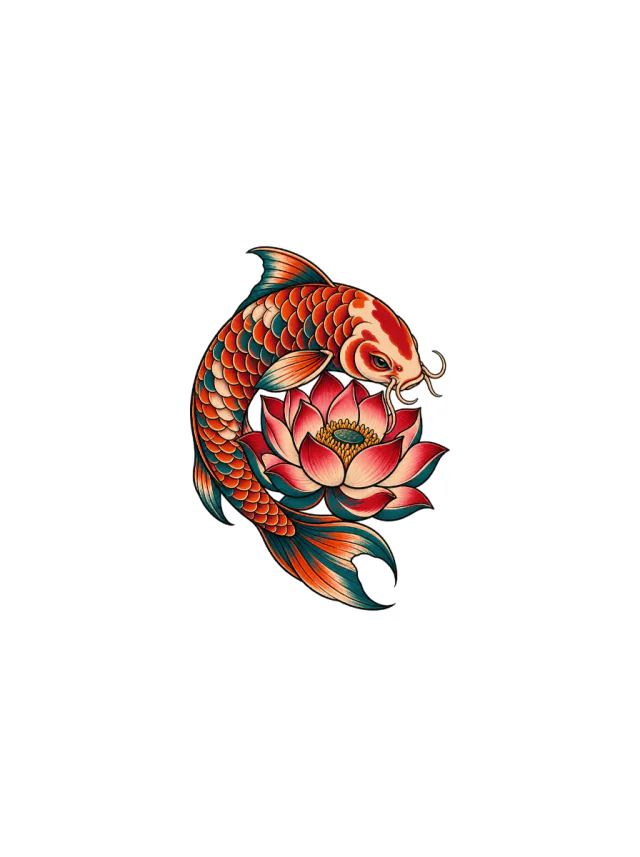 Clean design
Art Ink Tattoo Studio (artinktattoostudio.com)
This NYC-based tattoo shop has six resident artists, each of whom has a bio, photo, and list of specialties. The site has a clean layout, with large images of the artists’ work. It also has online booking, so potential clients can book appointments without having to contact the studio directly.
NYC Tattoo Shop (nyctattooshop.com)
This Brooklyn-based shop has a strong sense of place. Its roots site in New York tattooing history, from the first electric tattoo machine in the 1890s to today. The site has a nice balance of historical information and modern-day content, and it includes a gallery of photos of the shop itself.
Webflow Made in Webflow gallery
There are several great examples of tattoo websites made using Webflow. Tattorama is probably the most popular one. Other great examples include Tattoo Artist Website by Strike Design Studio, La Dela Cruz Tattoos, Snowy Mountain Tattoo Co, Adored Tattoo Boutique, and many others.
Sitebuilderreport.com has a huge collection of tattoo websites made with various platforms. You can browse through all of them here. Here are some of my favorites:
Bang Bang Tattoo and Brilliance Tattoo are both made with Squarespace.
Slave to the Needle Tattoo, Art Ink Tattoo Studio, and Authentink are all made with WordPress.
Sacred Body Tattoo Gallery is made with Duda.
Webflow has a browsable, cloneable, and customizable gallery of tattoo websites. It also has Animation, Interactions, CMS, Ecommerce, and Portfolio categories.
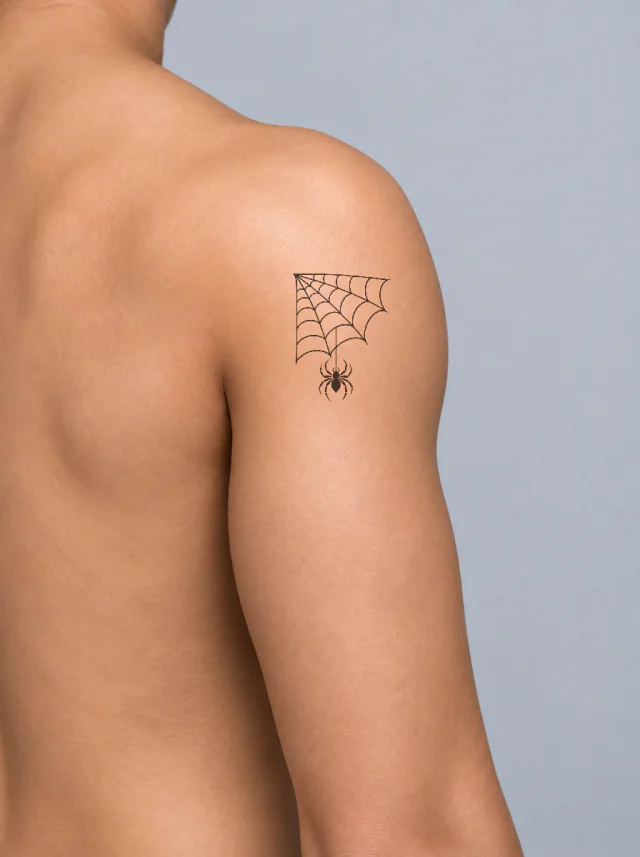
 Clean design
What your tattoo website needs
If you’re thinking about creating your own tattoo website, you’ll need to make sure that it includes the following minimum required elements:
Portfolio — Clear, well-lit photos of your tattoos, organized by style. This is the most important part of your website, because it’s the only thing that will make potential clients choose you over other artists.
Artist bios — Bios of your artists, including their specialties. This is important for helping potential clients choose the right artist for their project.
Booking information — If you don’t have online booking, you’ll need to include a direct link to your booking system.
Location and contact information — Make it easy for potential clients to find your shop and get in touch with you.
Where clients can browse tattoo ideas
If you’re browsing as a client, then you should look for dedicated platforms where curated tattoo ideas are organized for discovery and artist connection. Two such platforms are Tattoodo.com and World Tattoo Gallery.
Tattoodo.com has 156 curated galleries of tattoo art, grouped by style. You can find a style you like, save an idea, and book the artist who made it.
World Tattoo Gallery is a group and connects tattoo art community, including tattoo model photos.
Custom site vs template
If you’re a tattoo artist who wants to create a custom-built website, you’ll need to move beyond templates. However, if you’re starting out, you can probably get away with a template. Custom sites are warranted when your branding requires something specific that a template can’t handle, or if your shop has multiple artists whose styles are complex enough that they need their own sections of the site. In between those extremes, there are middle-path options. Done-for-you setup involves sending your content to someone who handles the setup, branding, and launch of your site. Fully custom tattoo shop websites are a separate option altogether.