
I’ve been asked a few times lately about dotwork tattoo sleeves. This is an important topic for people who are thinking about getting a sleeve done in this style. In addition to the basic information you can find elsewhere online, there’s a lot of misinformation out there, so I wanted to write up my thoughts on it.
What makes dotwork different?
Dotwork is a distinct tattoo technique. Its primary distinguishing feature is the use of individually placed dots to build shading, depth, and texture. Some pieces rely almost entirely on dot density, while others combine dotwork with fine lines, bold outlines, gradients, or other techniques. In either case, the placement and spacing of the dots shape the final image.
The result is that dotwork tattoos look like they’re made from paint. When you look at them up close, they have a painterly quality — the individual dots don’t really stand out, and instead form a smooth, blended whole. From a distance, they’re more similar to photography than painting.
The roots of dotwork
Dotwork has two very different historical roots. One is ancient tribal hand-poked traditions. These traditions were practiced by Polynesian cultures, Southeast Asian cultures, and Indigenous American cultures. The purpose of these tattoos was storytelling, protection, and spiritual meaning. They often included symbolic motifs as well as patterns meant to convey meaning.
The second root of dotwork comes from pointillism, the 19th-century painting style where tiny dots of paint were used to form entire scenes. Pointillist paintings looked very much like dotwork tattoos, and many artists today consider pointillism to be the visual ancestor of dotwork.
So the design language of dotwork carries both cultural weight and fine-art credibility.
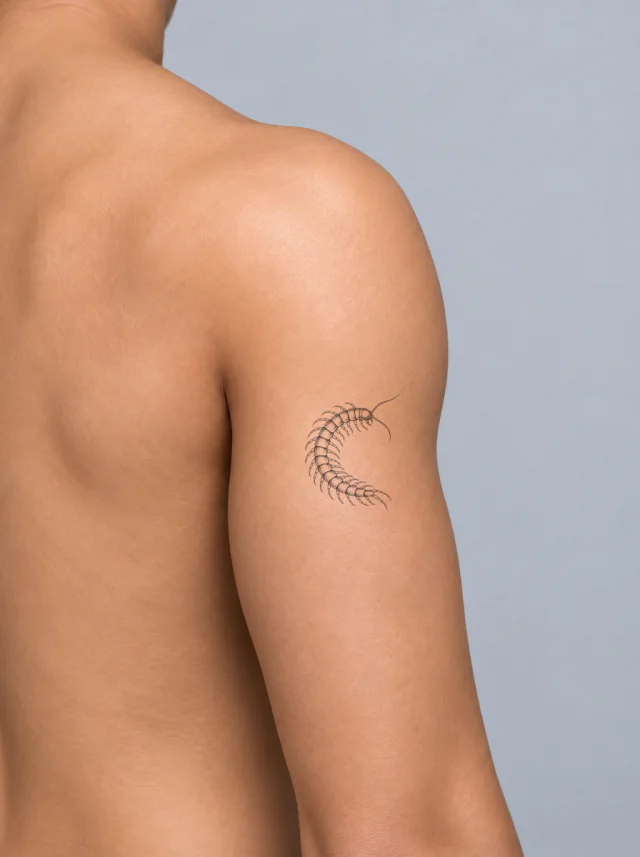
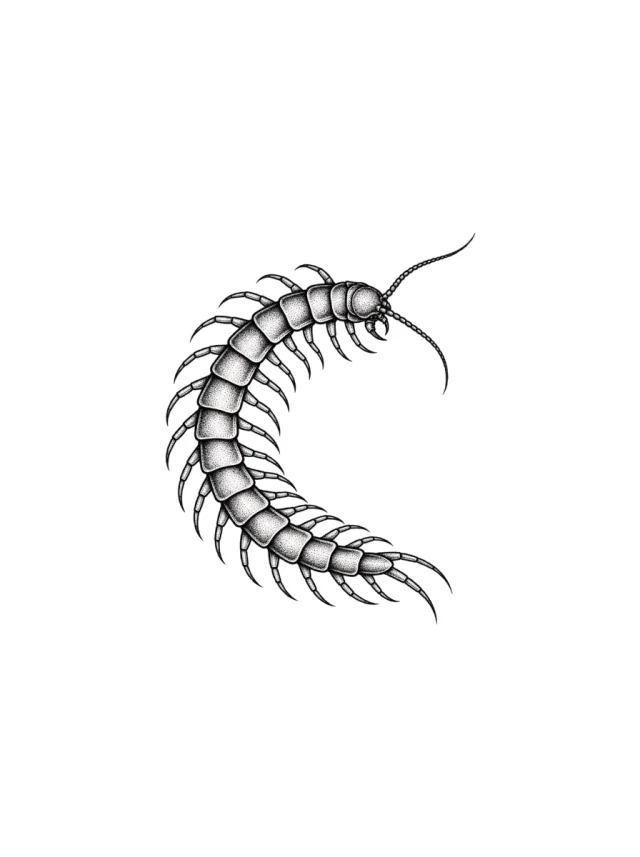 Clean design
What do dotwork sleeves look like?
There are lots of ways to approach a dotwork sleeve. But if you look through the designs that appear most consistently in dotwork sleeve work, some common directions emerge:
Mandala patterns
Geometric motifs
Floral compositions
Pointillism compositions
Infinity-style work
One direction that appears especially often is a feminine hybrid of mandala floral plus gap-filler dotwork. This seems to be a recent trend, but it’s becoming popular pretty fast.
Hybrid sleeves
Hybrid sleeves combining dotwork with other tattoo styles are a supported creative option, not a compromise. Dotwork can coexist with fine lines, stippling, traditional bold outlines, and striking contrasts. It doesn’t have to be an “all-or-nothing” choice.
Healed results—not practice skin—are the true measure of dotwork quality
When evaluating the quality of dotwork, healed results—not practice skin—should be the true measure of quality. Practice skin does not replicate real skin behavior, and thus cannot accurately reflect how good a dotwork artist is.
Instead, the decisions about dot placement and dot density will only be judged after the tattoo has healed. So before committing to a sleeve, make sure you’re looking at healed examples of the artist’s work, rather than just their practice skin.