
When you go to get a tattoo, it's important to understand what kind of style you want. This is because the world of tattoos has become very broad and varied, and knowing the distinctions between styles will help you find the right artist for your needs.
The range of styles in the tattoo industry is quite wide. At one end of the spectrum are classic styles like American Traditional, Japanese, and Celtic; at the other end are more modern styles like Watercolor, Geometric, and Blackwork. In between there’s everything from Neo-Traditional and Realism to Fine Line and Illustrative. The distinction between styles can be subtle or stark, and each has its own strengths and weaknesses as well as different ways that artists apply their rules.
Some styles are based on older traditions, while others are newer developments. Some are rooted in a particular culture, while others are purely aesthetic. Some have strict visual rules, while others allow for more creative freedom. But no matter which style you choose, it’s worth understanding what makes it unique, and how it differs from other styles.
 Clean design
Classic styles and their modern evolutions
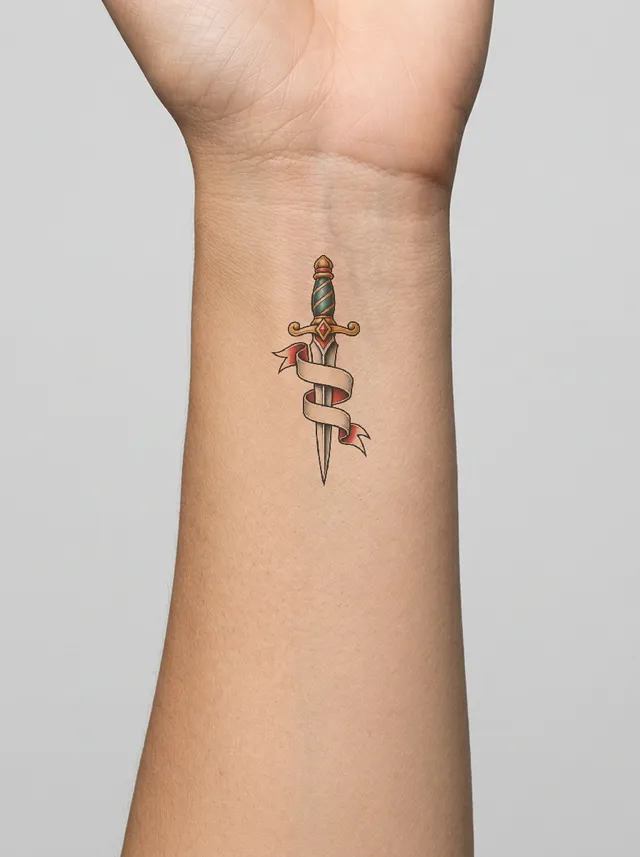
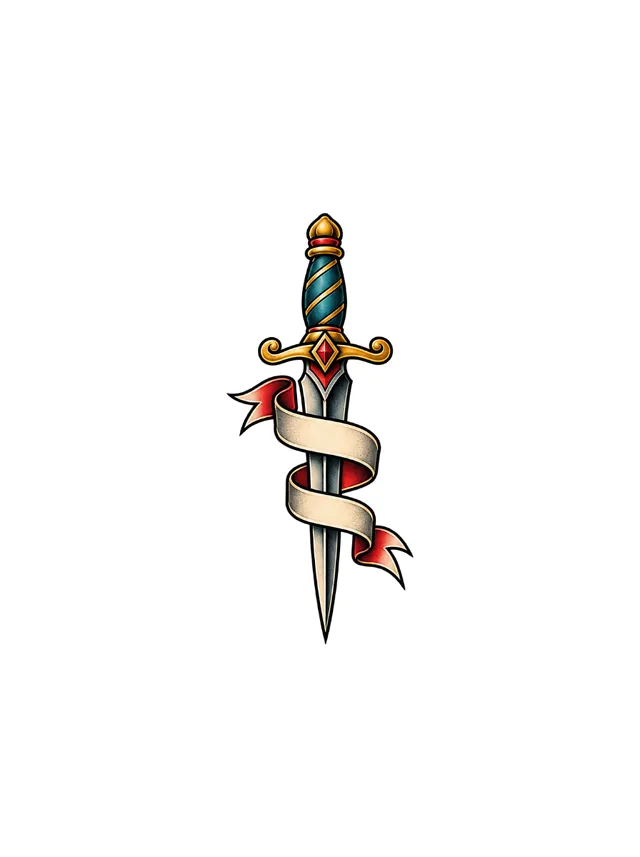
American Traditional is the oldest and most foundational of all tattoo styles. It was the style used by sailors and early Western tattoo pioneers, and it’s still the style that drives active bookings today. American Traditional tattoos tend to have thick black outlines, limited color palettes, and bold motifs like hearts, daggers, anchors, and roses. These tattoos are usually simple in design but powerful in their symbolism.
Neo-Traditional is a direct evolution of American Traditional, both sharing many of the same characteristics but also adding new elements. One of the defining features of Neo-Traditional is its use of richer colors and complex shading techniques. Artists who specialize in this style often add intricate details to their designs, creating a sense of depth and realism. However, some practitioners apply the rules of Neo-Traditional differently, including using only black ink instead of color.
Realism, Fine Line, and Black and Grey are three styles that demand the highest level of technical control from an artist. Realism is the absolute peak of an artist’s control over their tools and craft, replicating real-life subjects with photographic accuracy. Fine Line uses very thin lines to create detailed images, while Black and Grey relies on shading to create contrast and depth. Realism tattoos are typically used to commemorate loved ones or cherished memories, while Fine Line and Black and Grey are often used for portraits, animals, nature, objects, art reproductions, and pop culture references.

 Clean design
Contemporary and understated approaches
Illustrative is a style that bridges the gap between classic and contemporary tattooing. While it shares some similarities with traditional tattooing, it also incorporates modern artistic techniques. Illustrative tattoos are often stylized, with a focus on storytelling and narrative. They can incorporate elements of traditional tattooing, such as bold outlines and symbolic imagery, but they also often feature more abstract and expressive designs.
Minimalist tattooing is a reactive movement born against elaborate styles. Minimalist tattoos are characterized by simplicity and clean design, often featuring just a few small shapes or symbols. While minimalist tattoos may seem simplistic, they are actually a form of artistic expression that draws inspiration from traditional tattooing’s straightforward aesthetic. Minimalist tattoos can be used to commemorate loved ones or cherished memories, or simply as a way to express personal style.
Choosing between traditional and modern styles
When choosing between traditional and modern styles, it’s important to consider what suits your personal tastes and preferences. Traditional styles like American Traditional and Neo-Traditional are great for those who prefer bold lines and vintage motifs with proven longevity. Modern styles like Watercolor, Geometric, and Blackwork offer greater flexibility for personalization and creative experimentation. If you’re looking for something delicate, Watercolor is a good choice; if you’re looking for something dramatic, Blackwork is a good option. And if you want to mix styles, there’s no rule against it as long as the work is well done.