Tribal tattoos are all about strength, protection, ancestry, identity, belonging. But they aren’t the same in every culture.
Tribal tattoos have a lot of meanings — strength, protection, ancestry, identity, belonging, etc. But there’s no single universal interpretation that applies to all tribal tattoos. Instead, meaning is determined by tradition, community, and use.
Strength, protection, ancestry, identity, and belonging are all important things for humans to feel connected to. And while these themes are pretty universal, how exactly we express them varies from one culture to another. Some tribal tattoo traditions focus on strength, others on love or family lineage, others on status or spiritual connection.
Each pattern tells a unique story honoring our own culture and heritage. The meaning of each design depends on which nation, community, and tradition it comes from, as well as how it was used. Placement, occasion, and permission matter as much as the image itself.
In fact, the word “tribal” doesn’t mean “one style” — there are many different kinds of tribal tattoos. In fact, some people consider any traditional tattooing practice to be “tribal,” since it represents the cultural identity of a people group.
 Clean design
Love, strength, and tradition-specific meanings
Celtic tribal tattoos are the tradition most explicitly tied to love. Celtic knotwork is a signature motif of Celtic art, and is believed to represent eternity, love, and the interconnectedness of life. Knots can also symbolize the union between two people, such as lovers or parents and children.
Polynesian tattooing (also known as Tatau) is an ancient tradition originating in the Pacific islands. While it has been documented that Polynesian tattoos were used to show strength, courage, warrior spirit, family lineage, and protection, the specific motifs used vary depending on the island.
Some recurring motifs include sharks, turtles, and waves. Wave patterns are often used to symbolize power, change, continuity, and the connection between the living and the spirit world. Turtles are associated with navigation, direction, and finding one’s way back. The Hawaiian word for tattoo is kākau, which means both “to write” and “to tattoo.” It is a sacred practice, predating Western contact, and involves using tools made from bone and turtle ivory.
Hawaiian tribal tattoos are an extension of this Polynesian tradition, but they incorporate additional meanings. These include protection, fertility, and a connection to the ocean. Common motifs include turtles, flowers, and waves, which all symbolize protection, fertility, and a connection to the ocean.
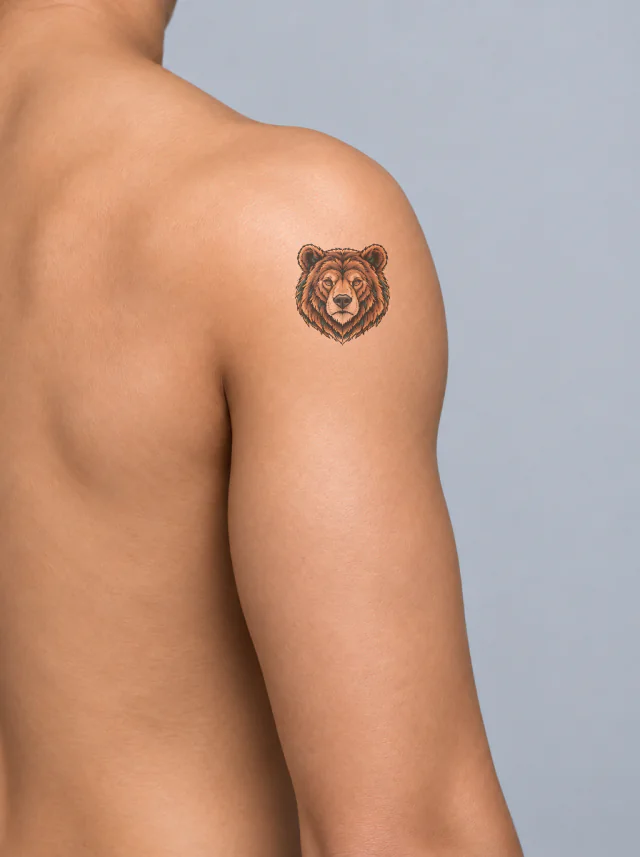
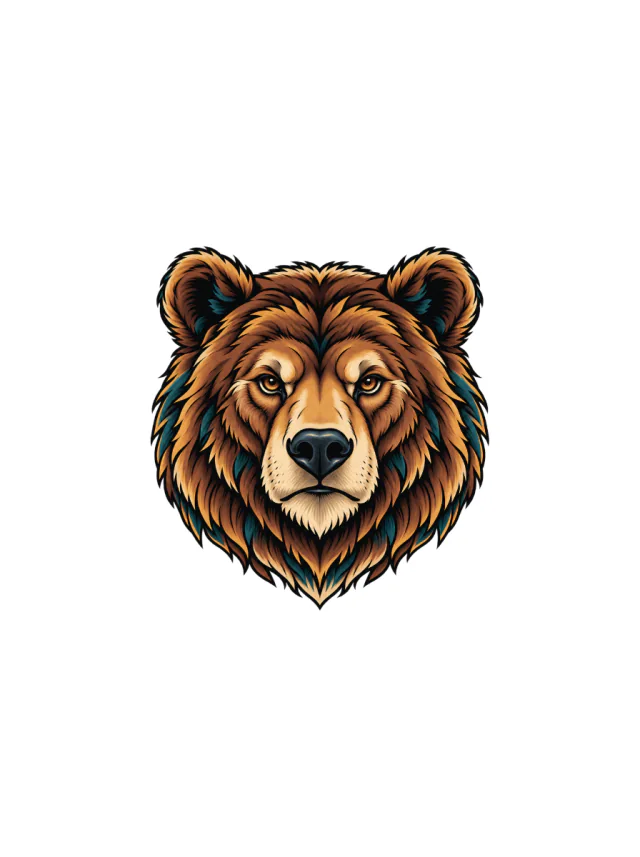
Native American tribal tattoos use animal imagery to represent strength, freedom, and guidance. Animals like eagles, wolves, and bears are often used as symbols of strength, freedom, and guidance. However, Native American tribes have their own distinct styles and traditions, so not all Native American tattoos are the same. The term “Native” refers to many different peoples, each with their own unique traditions.
 Clean design
These marks are usually tied to kinship, status, ceremony, protection, and rites of passage. Line weight, spacing, placement, and other elements are rooted in the practices of specific peoples.
Samoa is home to another popular form of tribal tattooing. Samoan belief holds that individuals who bear the tattoo are protected by good energy. Tattoos are also seen as a mark of belonging, self-identity, and status, and are linked to accomplishments.
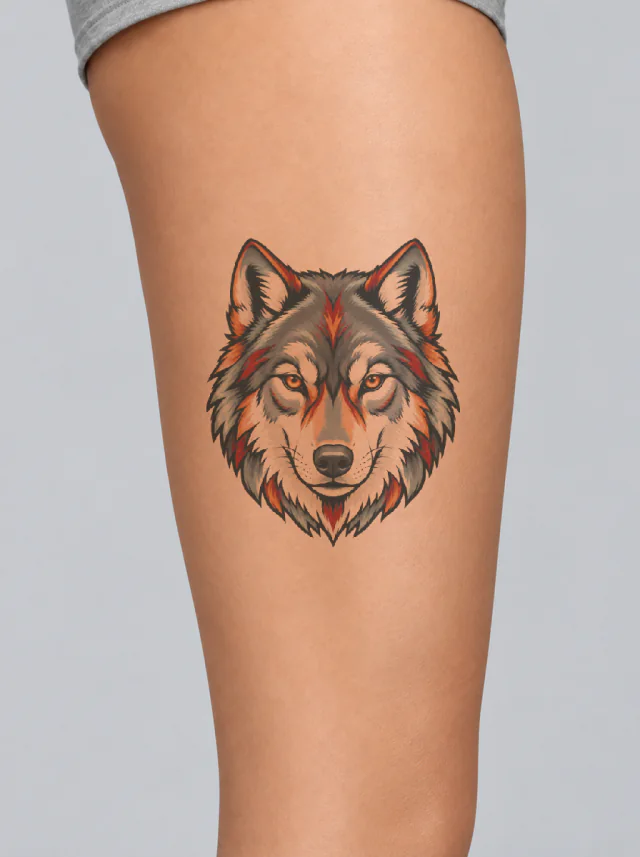
The wolf and dragon are two cross-tradition animal motifs within tribal tattooing. Both animals represent strength alongside loyalty and wisdom.
The wolf is a constant totem across many tribes globally, and is a token of strength and loyalty. The dragon, meanwhile, is a symbol of strength and wisdom in the context of tribal tattooing.
Why context changes meaning
Meaning in tribal tattooing is shaped by factors beyond the visual design itself. As such, copying a design without understanding its cultural context can distort or erase its original meaning.
Placement, occasion, and permission matter as much as the image itself. This means that even closer to a real tribal marking, there is a greater need for cultural consideration. Generic symbol charts cause confusion about what a given design might mean. Removing context from a design often removes or distorts its meaning.