
I recently had the opportunity to talk with someone who’s interested in getting a tattoo sleeve, but he has no idea where to start. He’s interested in a patchwork tattoo sleeve men can build over time, and while I’ve done some similar projects, I haven’t worked on one for a man before.
So rather than just give him my thoughts (which are all great ideas), I decided to write an article explaining how a guy can choose his own patchwork tattoo sleeve, whether he wants to do it alone or work with several artists.
And since this is such a common question, I’m sharing what I told him here, so you can use it as a starting point when choosing your own patchwork tattoo sleeve.
Distinct Images or a Continuous Scene
First of all, decide whether you want to collect distinct images over time, or if you’d like to build a continuous scene. This choice will affect everything else about your design.
For example, if you’re collecting distinct images, then you’ll probably want to treat each individual tattoo as a separate object. They won’t need to relate to each other in any way beyond their visual relationship to the rest of the composition. That means that there won’t necessarily be an uninterrupted mural of images throughout the entire arm — they’ll just be scattered across the skin in a piece-by-piece fashion.
If you want to build a continuous scene, then you’ll have to consider the visual relationships between pieces as you develop them. In this case, there would still be plenty of open skin between the tattoos, but those areas would serve more of a compositional purpose, rather than being left blank simply because you didn’t know what to put there yet.
In either case, leaving some bare skin intentionally will help create a better overall composition.
Choose Your Tattoo Style
Next, decide what style of tattooing you want to incorporate into your sleeve. Will it be traditional? Fine-line? Blackwork?
Each of these styles brings its own set of challenges, and they’ll also influence how you’ll go about developing your sleeve.
Traditional tattoos are generally color-based, so you’ll want to make sure that any new tattoos you add to your sleeve will fit into the palette you already have, or at least have a limited number of colors that will work well together. You’ll also want to make sure that any new tattoos will complement your existing tattoos, not compete with them.
Fine-line tattoos tend to rely on scale and spacing, so you’ll want to keep that in mind as you add new tattoos. You’ll also want to ensure that any new tattoos you add will complement your existing tattoos in terms of size, shape, and placement.
Blackwork tattoos rely heavily on contrast, so you’ll want to make sure that your new tattoos don’t compete with your existing ones by using too much dark area. You’ll also want to consider line weight, since blackwork relies on very heavy lines, so your new tattoos should support that heavy line weight, rather than competing with it.
For example, you could build a traditional sleeve around animals and flowers that repeat a few colors, with small symbols between them. Or you could arrange blackwork around a few dark focal pieces, varying their proportions across the front, side, and back of your arm. If you prefer fine-line botanicals, you could leave open skin between the plants and use light connectors where you want them to relate. Those would give you three different starting points to compare.

 Clean design
Plan Coverage and Space for Future Additions
Once you’ve made those decisions, you’ll want to figure out how much coverage you want. Do you want your upper arm covered, or only the forearm half-sleeve? Or perhaps you want your whole arm covered?
This decision will determine how much of your arm you’ll reserve for future additions. For instance, if you choose to cover your entire arm, then you’ll obviously have nothing reserved for future additions. If you choose to cover just the forearm half-sleeve, then you’ll still have your upper arm available for future additions.
Of course, you might want to leave something in the middle. Perhaps you’d like to cover from your shoulder to your elbow, but leave the remaining half of your arm available for future additions. Or maybe you’d like to cover from your elbow to your wrist, leaving the top part of your arm free for future additions.
It’s also important to remember that your existing tattoos will guide your new additions. The line weight, direction, and palette of your current tattoos will influence the kind of tattoos you’ll want to add to your sleeve. And the spaces you’ll leave open now will protect space for future additions. When you look at a gap, consider whether you’ll need that room for later adjustments. A filler should solve a problem in the composition, rather than simply fill an empty spot.
You’ll want to consider both the amount of skin you’ll cover, and which areas of your arm will be prioritized right away, and which areas will be left open for future additions. When you’re planning out your sleeve, you’ll also want to consider the different planes of your arm: front, side, and back. These different views will influence the placement of your tattoos, especially once you get to the point where you’ll be working with several artists.
The most important thing to remember is that every addition you make to your sleeve should be intentional. It shouldn’t be random. It should be based on a plan. That plan may change as your vision develops, but it should always have a clear direction.
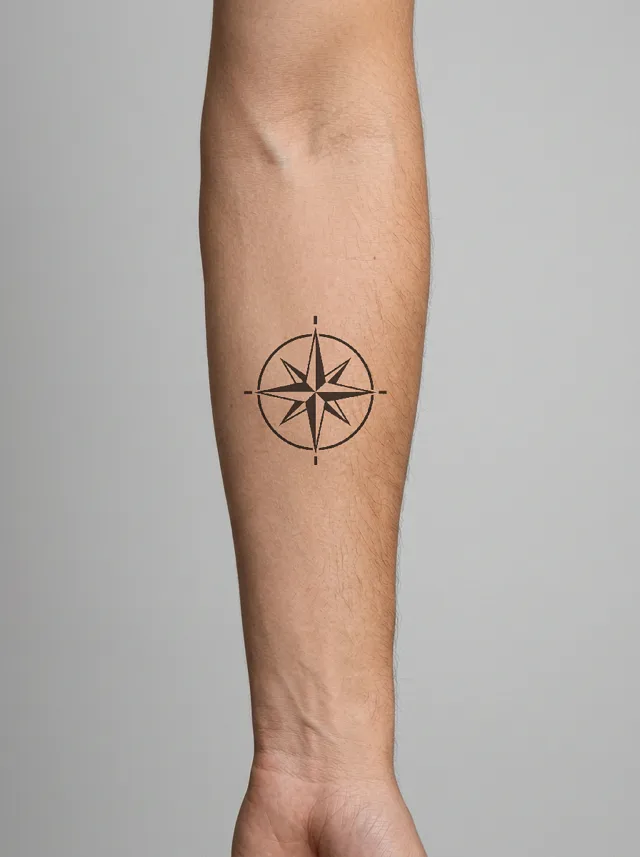
 Clean design
Choose Subjects and Balance Their Sizes
When considering what kinds of tattoos to include in your sleeve, think about the subjects you like. Are there certain animals that inspire you? Certain plants or flowers? Certain symbols or objects that mean something to you personally? Those things should be included in your sleeve.
But just because you like a particular subject doesn’t mean that it has to be large. You could certainly include small symbols, small animal portraits, and small botanicals in your sleeve. But if you want to include larger subjects, you’ll want to make sure that you balance them with differently proportioned supporting pieces.
For instance, if you want to include a large eagle in your sleeve, you’ll want to make sure that you include smaller pieces around it that balance it out visually. Similarly, if you want to include a large rose in your sleeve, you’ll want to include smaller pieces around it that balance it out.
That said, it’s perfectly fine to include several large pieces in your sleeve, as long as you’re careful to balance them out with appropriately sized pieces. If you want to include a large eagle, a large rose, a large snake, and a personal keepsake in your sleeve, that’s perfectly fine. Just be careful to arrange them carefully and thoughtfully.
Design Your Sleeve Layout
Now, let’s talk about the actual process of designing a sleeve. First, decide on a subject that’s most important to you. Then, decide how big you want that piece to be, and how you want it oriented on your skin. Then, decide where you want it placed on your arm. From there, decide where you want to place the next most important piece. Continue until you’ve decided where you want to place all of the pieces that you want to include in your sleeve.
After placing all of the pieces, take a step back and look at your layout. Is it balanced? Does it feel cohesive? Does it look good? If not, then tweak it until it does. Once it looks good, then you can move on to adding details to each of the pieces.
Find an Artist and Refine Your Design
Once you’ve completed your initial design, you can begin looking for tattoo artists who specialize in the type of tattoos you want to include in your sleeve. Make sure that the artist you choose is willing to work on a project like yours, and that you’re comfortable with the artist’s style.
Once you’ve found an artist who you’re comfortable working with, show them your design. Let them see your ideas, and ask them to share their thoughts. Together, you’ll refine your design until it feels right to both of you.
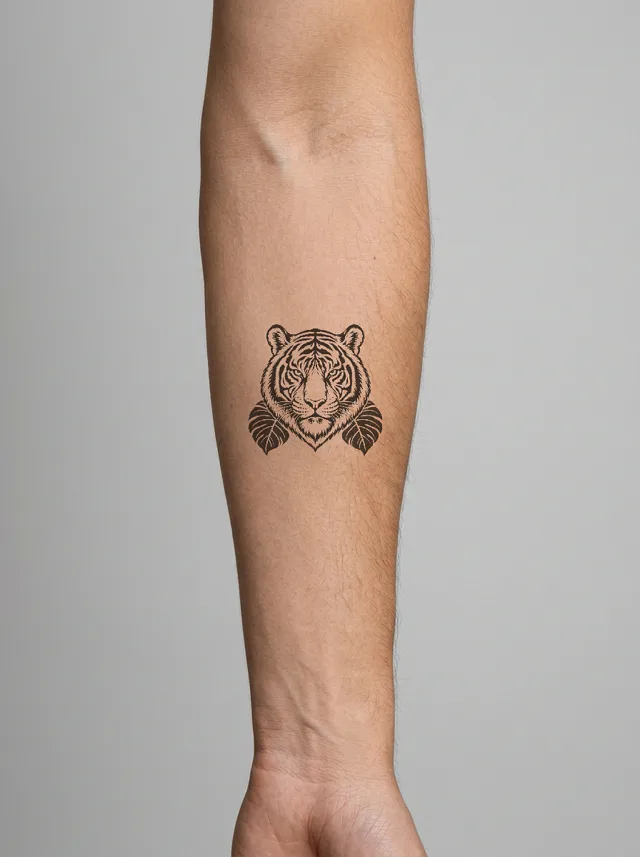
 Clean design
Document Your Arm and Existing Tattoos
When you’re ready to get started, make sure that you have plenty of photos of your arm. Take photos of your arm from the front, the side, and the back. Also, take photos of every tattoo you currently have on your arm.
Make sure that your photos are clear, so that you can easily see the details in your tattoos. Don’t hesitate to take multiple photos of each tattoo so that you have plenty of options to choose from.
Also, take note of when you did your existing tattoos. You don’t want to accidentally get a new tattoo that overlaps with an old one. So make sure that you know roughly when you did each of your existing tattoos, and make sure that you don’t overlap any of your new tattoos with an old one.
Finally, make sure that you’re clear on what kind of tattooing you want to include in your sleeve. Traditional tattoos are usually color-based, so you’ll want to make sure that any new tattoos you add to your sleeve will fit into the palette you already have, or at least have a limited number of colors that will work well together. You’ll also want to make sure that any new tattoos will complement your existing tattoos, not compete with them.
Fine-line tattoos tend to rely on scale and spacing, so you’ll want to keep that in mind as you add new tattoos. You’ll also want to ensure that any new tattoos you add will complement your existing tattoos in terms of size, shape, and placement.
Blackwork tattoos rely heavily on contrast, so you’ll want to make sure that your new tattoos don’t compete with your existing ones by using too much dark area. You’ll also want to consider line weight, since blackwork relies on very heavy lines, so your new tattoos should support that heavy line weight, rather than competing with it.
With that information in hand, you’ll be able to find an artist who specializes in the type of tattoos you want to include in your sleeve. Make sure that you’re comfortable with the artist’s style, and that you’re confident that they’ll be able to deliver the results you’re looking for.
Prepare Your Portfolio and Placement Map
And finally, make sure that you’re prepared to spend a little time going through your portfolio. After you’ve found an artist who you’re comfortable working with, they’ll want to see your portfolio to get an idea of what you’re looking for. So make sure that you’ve spent some time reviewing your portfolio. You could put your references into an album, marking the pieces that matter most to you. Bring a rough placement map with simple shapes on photos of your relaxed arm, showing those priorities and the spaces you want to protect. Ask to see healed work in the artist’s portfolio, too. If you’re working with several artists, show each one the same brief and agree on which visual relationships their pieces will repeat.