I’ve been asked a lot lately about Japanese letter tattoos. I have written about them before, but perhaps it’s worth going into more detail now.
The three writing systems used in Japan are kanji (which are logograms), hiragana (which are syllabaries), and katakana (which are also syllabaries). Kanji characters are made up of brush strokes that represent words or concepts, while hiragana and katakana are made up of small symbols representing sounds.
Knowing which system you’re using when choosing a character is important because they all look different from each other, and the meanings can be quite different depending on which script you use.
Cultural context and meaning
In Japan, tattooing is called irezumi, which means “to insert ink.” It is also known as horimono, wabori, bunshin, shisei, or gei, with the last meaning “art.”
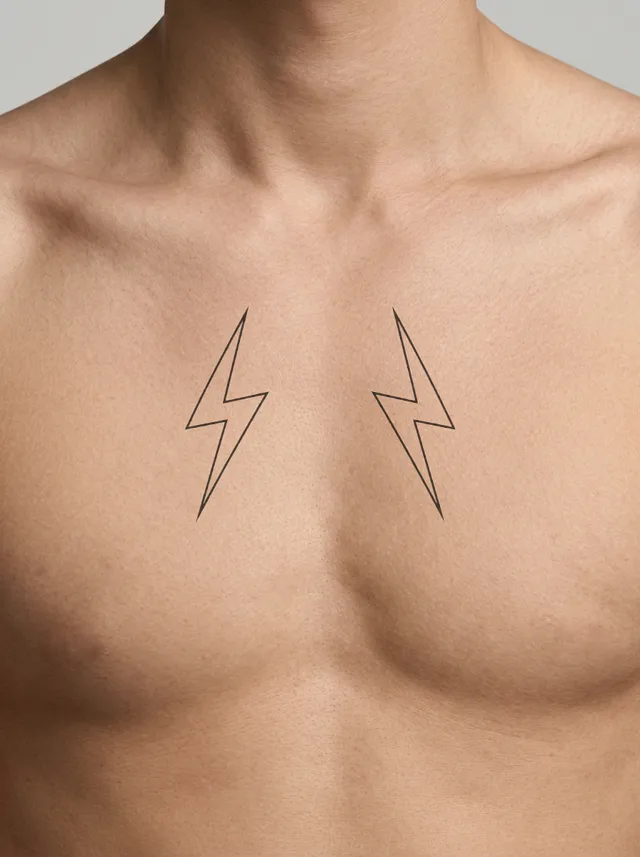
 Clean design
Tattooing in Japan began as early as 300 BCE, when people marked themselves with the images of their ancestors to honor them. In the Edo period (1603–1868), tattooing became popular among both men and women. The word irezumi comes from the verb irezu, which means “to pierce,” and the noun mi, which means “ink.”
The tradition of tattooing was part of the integration of language and meaning that makes Japanese culture so rich. Symbols were drawn from myths, folklore, and art, as well as history, religious symbolism, historical figures, and scenes of nature. Common themes include protection, bravery, good luck, and so on.
What to watch out for
But if you want to use Japanese characters in your tattoo, there is a great deal of precision involved. Every element has meaning. A mistranslation, a misapplied script, or a decontextualized character could change the meaning of what you intended to convey. If you use characters decoratively without understanding their cultural background, you risk misrepresenting them.